Hidden Layers: Where Dairy Milk Brownie Meets Architectural Delight
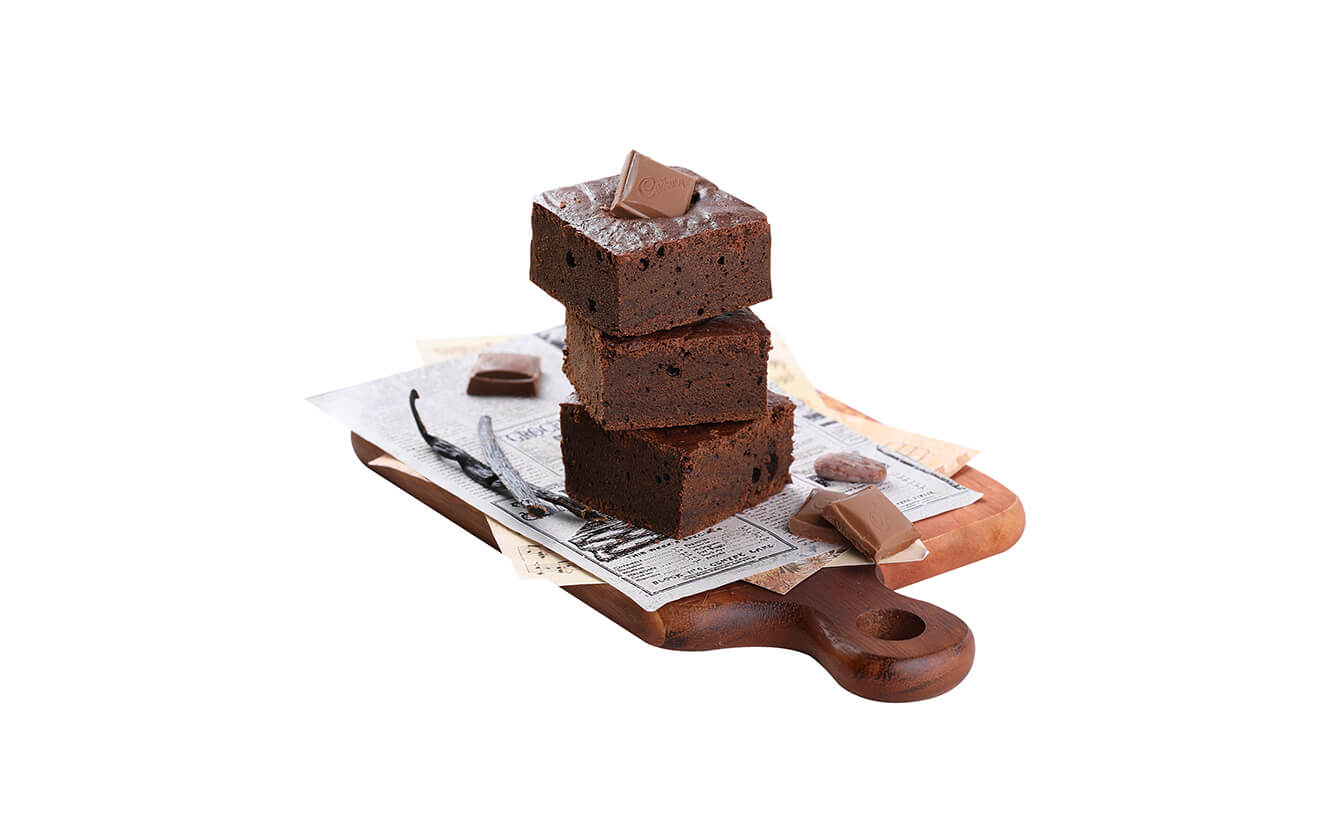
The dairy milk brownie is more than
just a dessert; it embodies a complex interplay of design principles, texture,
and sensory experience that parallels architectural innovation. Just as
architects carefully plan structural elements that support entire edifices,
taking into account load-bearing capacities, material strengths, and
environmental conditions, pastry chefs approach the brownie's base with equal
precision, choosing ingredients that provide stability, richness, and depth of
flavor. These unexpected connections between architecture and culinary arts
reveal more profound insights into human creativity.
The dairy
milk brownie's foundation typically combines flour, sugar, cocoa,
and butter in carefully measured proportions. Each ingredient plays a critical
role, similar to how concrete, steel and other materials contribute to a
building's structural integrity. The chocolate base must be dense enough to
hold its shape yet soft enough to create a pleasurable mouthfeel—a delicate
balance that mirrors architectural design principles.
Textural Intricacy and Perceptual
Experience
The purpose of architectural
environments is to evoke particular sensory experiences that influence human
mood and perception. Similar principles govern how brownies function, with
texture serving as the primary means of communication. The crisp outside of the
dairy milk brownie gives way to a creamy, soft middle, which is interspersed
with seamless chocolate integration.
Frank Lloyd Wright and other
well-known architects placed a strong emphasis on how constructed spaces should
engage with human senses. The brownie does this through thoughtfully planned
changes in texture. Like navigating a well-planned architectural space, the
first crisp bite signifies an entry, the soft interior invites exploration, and
the lingering chocolate overtones produce a memorable finale.
Innovation and Material Transformation
Changing materials and pushing the
edge of what appears feasible are standard components of innovative
architecture. Chefs display similar creative processes by transforming dairy
milk brownies in similar ways. Through careful temperature control, mixing
methods, and knowledge of molecular interactions, raw ingredients undergo
amazing transformations.
The addition of dairy milk chocolate
to brownies adds depth that goes beyond conventional recipes. A distinctively
smooth, creamy dimension is produced by the interaction of the milk solids with
other components. This method is similar to how architects would defy accepted
architectural conventions by incorporating unusual materials like steel, glass,
or repurposed materials.
Layered Experiences and Spatial
Composition
Creating meaningful spatial
interactions is at the heart of architectural design. Brownies, with their
complex layers, achieve something strikingly similar. From the first crust to
the deep, dense core accentuated with dairy milk chocolate, every layer adds to
a complete experience. The thoughtful placement of the components reflects the
way architects think about both positive and negative areas. The layers of a
brownie produce a complex sensory experience, much like the rooms and hallways
of a building create dynamic interactions. Chocolate, dairy, and auxiliary
ingredients interact to produce a three-dimensional flavor experience that
changes with every bite.
Eco-Friendly Design and Ingredient
Choice
Sustainability, resource efficiency,
and environmental awareness are prioritized in modern design. Similar changes
are occurring in culinary techniques, especially in the production of artisanal
desserts. When making dairy milk brownies, chefs are taking production
practices, environmental impact, and ingredient sources into account more and
more. Choosing premium dairy milk chocolate from ethical manufacturers is
similar to how architects select sustainable materials. Both disciplines
understand that careful, moral decisions that honor larger ecological systems
produce extraordinary outcomes.
Conclusion
One striking illustration of how seemingly unrelated fields can share basic creative principles is the dairy milk brownie. By examining its complex layers, transformations, and sensory experiences, we can learn about design ideas that go beyond the realms of architecture and cuisine.


Comments
Post a Comment